


So it’s been quite a while since my last post and I still haven’t completed my Workbench build series, but today’s subject is BBQ cooking.
The good weather arrives and outdoor cooking has commenced once again. For years this has been with a generic gas barbeque. But coinciding with the gas running out the valves finally rusted to death. So last year I bought a Callow Smoker, largely on a whim having probably watched one to many cooking shows on TV. Someone on a forum I frequent suggested the Callow Smoker. It was cheap enough that I was willing to take dive and buy it. I have been impressed with it since I bought it. With only a little research I have been making consistently good BBQ with only limited experience.
My BBQ experience so far.
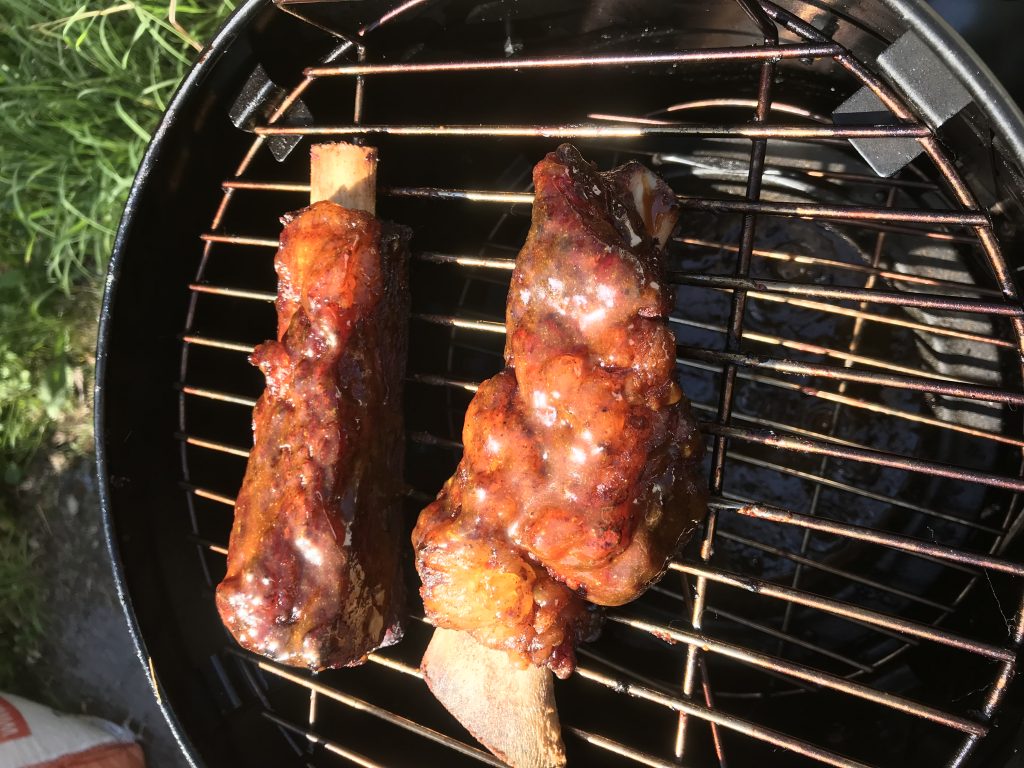
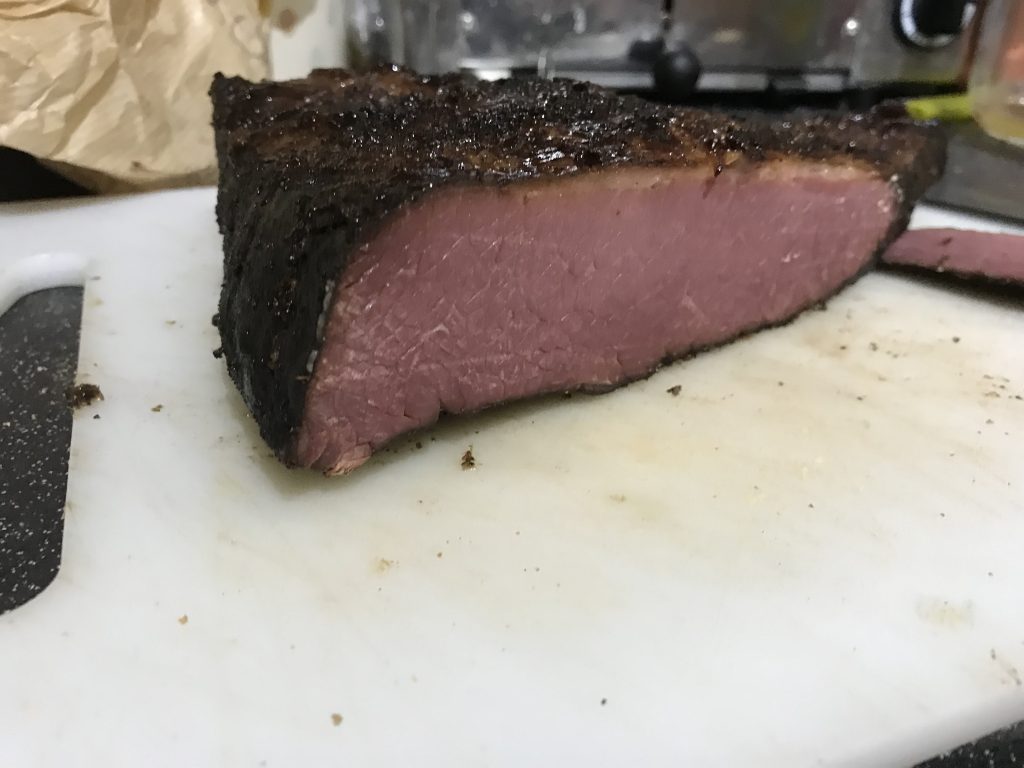
So I have used the smoker a few times to make shoulder of pork or beef brisket BBQ, using rubs consisting of salt, pepper, sugar and spices. I have been happy with how these have all turned out with a nice crust and the desired purple ring. I have also bought a few pre-marinated pork spare ribs and lamb chunks from my local butcher which have been equally excellent.
Using the smoker
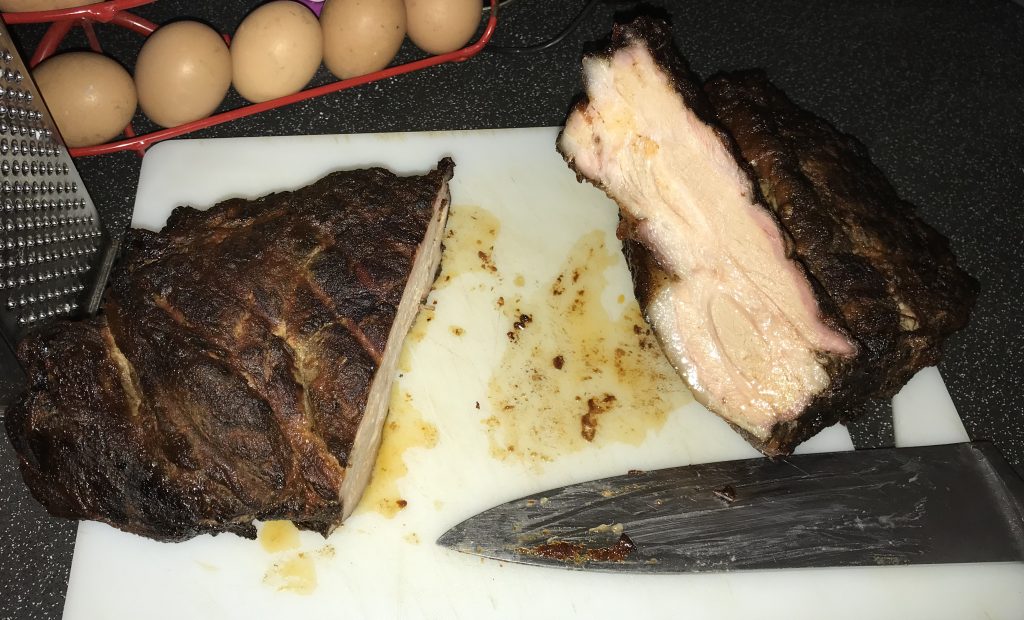
I’ve really taken to using the hot smoker for summer cooking. It’s the summer equivalent to the slow cooker. I’m no BBQ expert far from it but I will explain how it works.
To start off take your barbeque chimney starter fill it with briquets and light it. Once it’s hot tip the briquets into the fire pan the smoker. I recommend briquets because on my limited experience they burn longer, slower and cooler than charcoal. And as a consequence I find them easier to control.
If you’re using a Callow smoker or similar there is a tray above the coals but below the grills. This is used for sand and/or water. The ratioanle being the sand adds some thermal mass stoping the temperature swinging around and for the less experienced. And I count myself in this category. I put two thermocouple probes into my hot smoker, one lower down near the lower grill and one above near the upper grill. I tend use the lower one for monitoring the smoker temperture and the upper for monitoring the internal temperature of my main piece of meat. Once the smoker temperature has reached about 110°C I’ll try and control this on upper and lower air vents. Then once I’ve got it settled add some boiling water to the sand tray.
After that cooking is relatively straight forward, you aim to keep the heat in 110°C to 115°C range. Nothing cooks particulalry quickly so it’s hard to burn or overcook the food. Depending on the meat you’re cooking, once it has reached the right internal temperature it’s cooked. In practice this can take a few hours and stages can happen where the temperature increases stalls due to evaporation. I often wrap the meat after the first hour or two to decrease the evaporation and keep the meat tender.
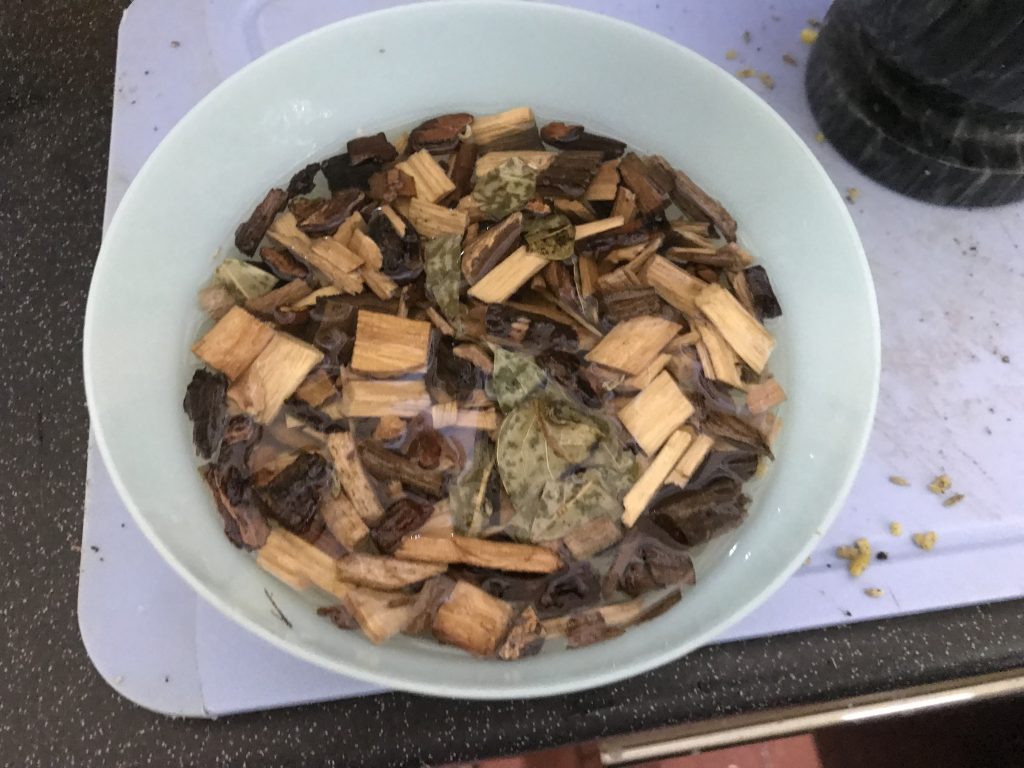
I guess finally there is the actual smoking, for the majority of its time in the hot smoker there is no smoke. I’m relying on the gentle heat from the briquets to cook the meat. After about an hour and once everything is settled I throw some soaked wood chips onto the coals. About 2 handfuls seems to give about 20-30 minutes of gentle smoking. Now I don’t eat a lot of smoked food so that gives me an enjoyable level of smoke and it is the kind of thing I’m going to have to experiment with for different meats and recipes to get right.
At this point acknowledgement my limited experience suggests you start looking for other sources of expertise like the Smoking Meat Forums which had a review of the first generation Callow Smoker and some things you could do to maximise it’s potential.
BBQ Lamb Leg
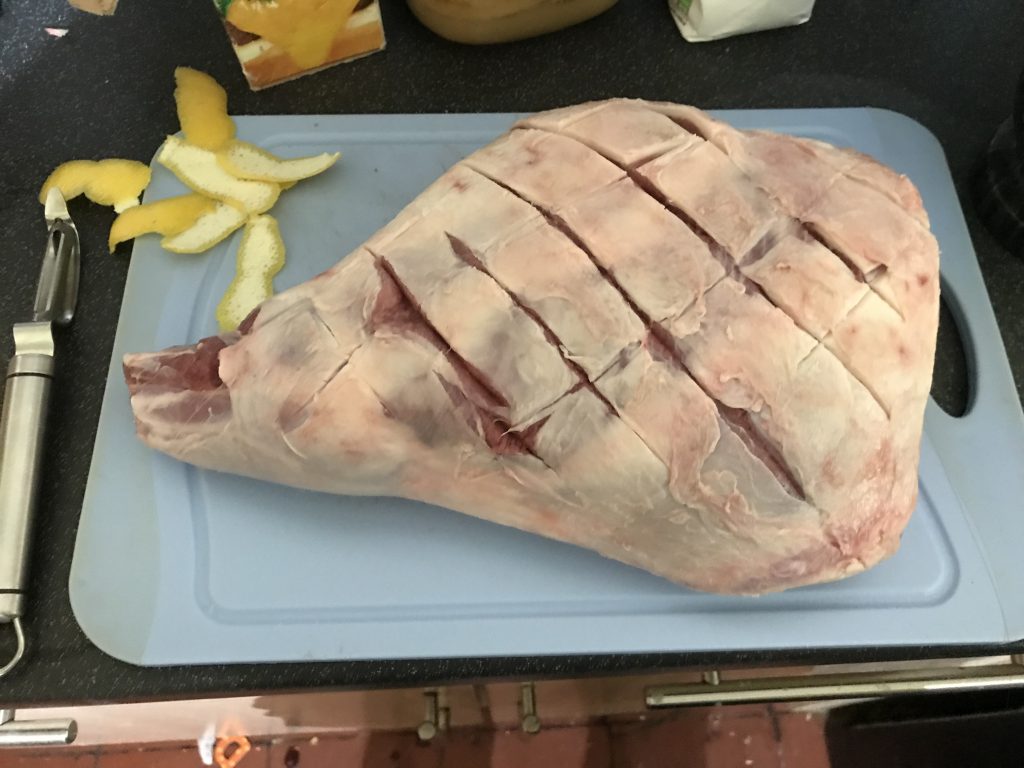
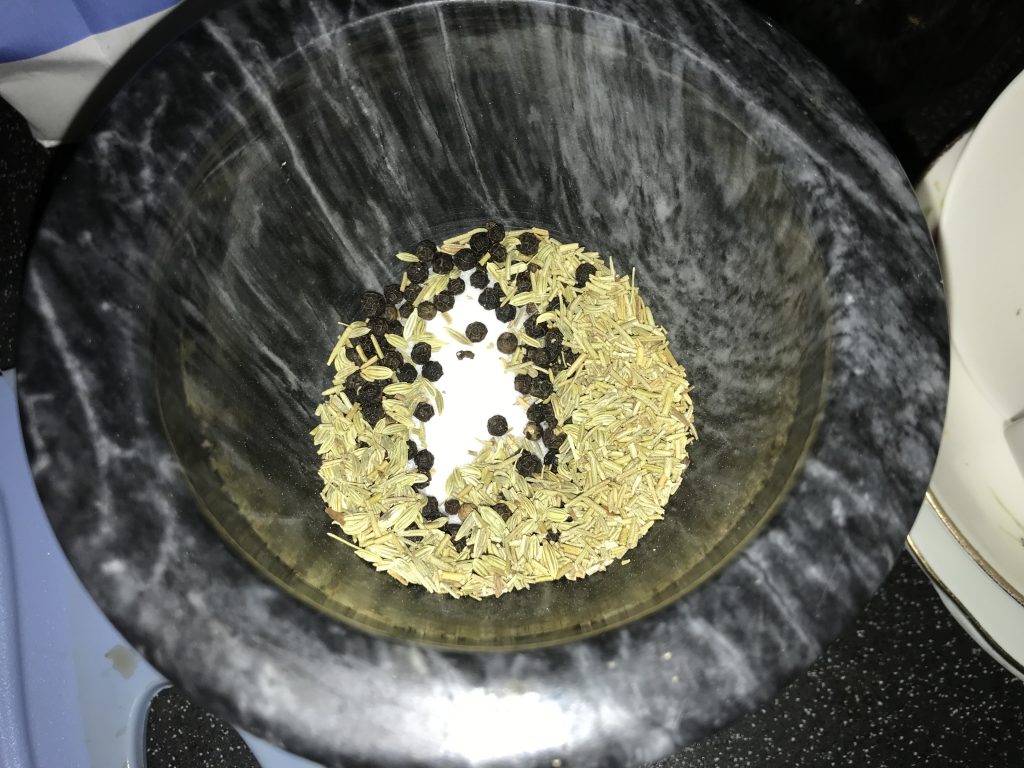
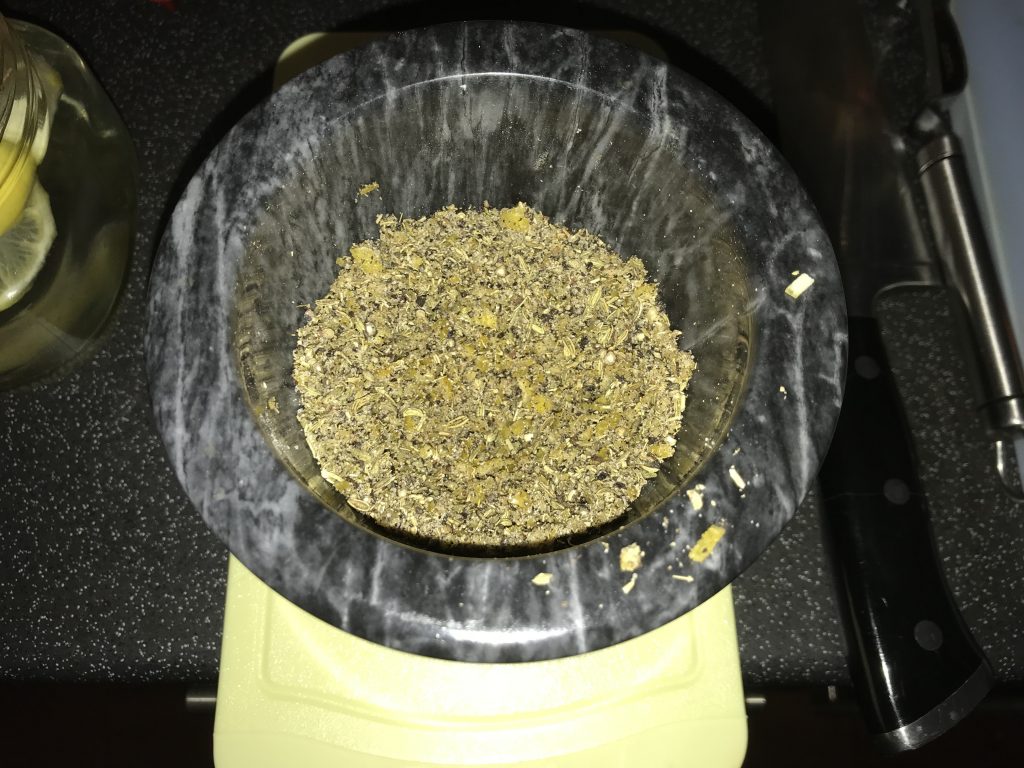
So after that very brief introduction to smoking, I thought I share this weekends effort. At this point I’d done pork ribs, pork shoulder and beef brisquet a number of times each and fancied branching out. In this case a whole smoked leg of lamb. Now one of the key areas of BBQ cooking is the use of dry rubs on the meat, not that I claim much expertise. Now most of the recipes out there are for US style BBQ but that is not really appropriate for lamb. So I though I’d try something North African inspired.
I start off by bringing the lamb up to room temperature from the fridge and score the surface to increase the surface area and give some nice space where I can get the dry rub. In this case I used salt, pepper, fennel and cumin. I ground them in my pestle and mortar to a coarse powder then added some very finely diced lemon peel.
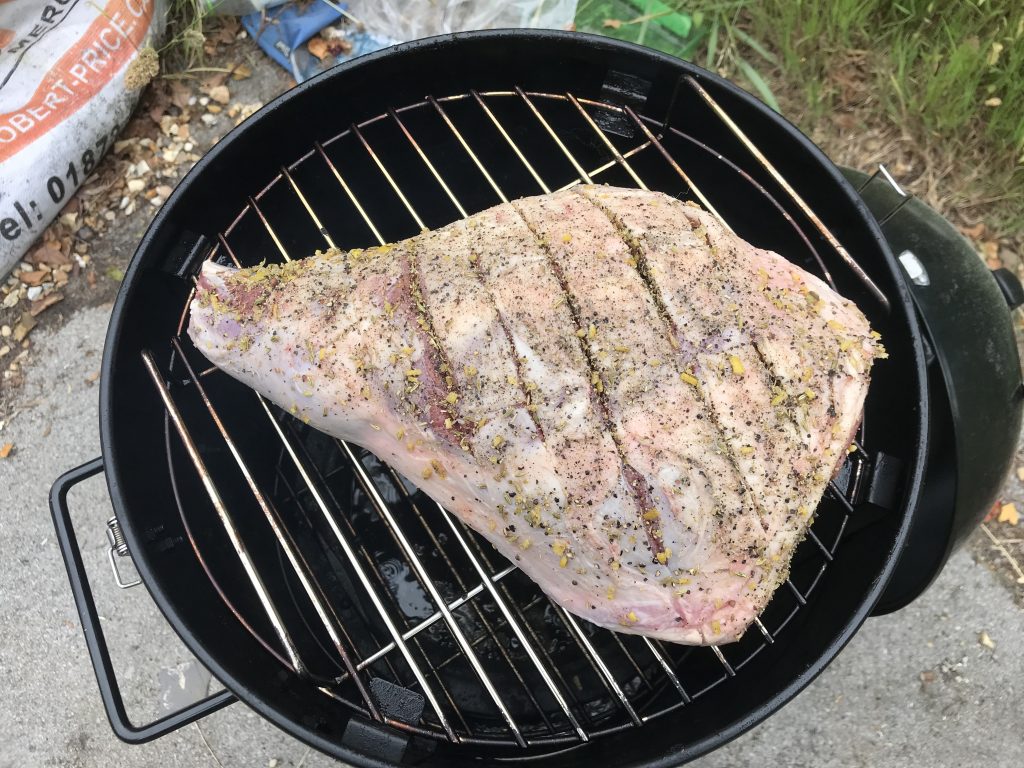
Next this is rubbed all over the surface of the leg of lamb. This where the scoring helps, as just rubbed on the skin I doubt it would have adhered so well. Then it goes on to the smoker for about 4 hours with about 30 minutes of smoking.
Onto the BBQ
Even if I say so myself it looks good before it has started cooking.
I was really please with how it looked after cooking everything I could have hoped for.
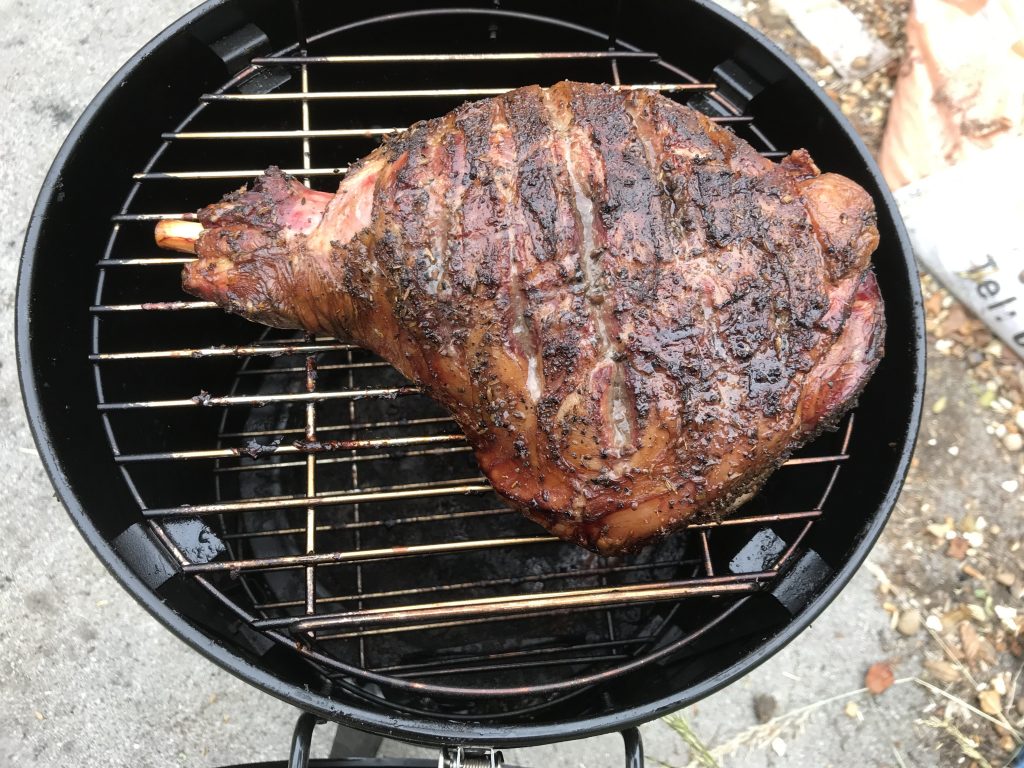
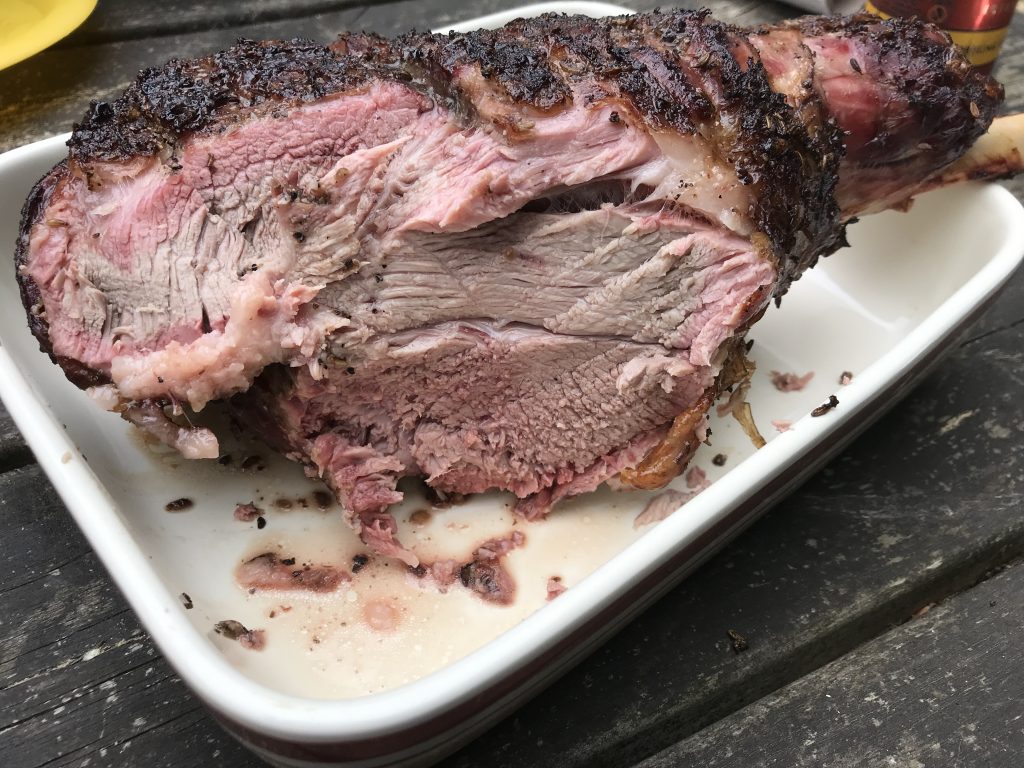
It tasted great the lamb was lovely and tender and the crust and rub had a real zing. If anything I might try this recipe again without the use of any woodchips, because whilst it gave that cooking over a wood fire taste I’m not sure lamb carries the flavour as well as pork or beef.
I hope you enjoyed this post and this and others can be found via my cooking page.